
The Best Time to Plant Pleached Trees in Spring 2026
Spring is one of the most rewarding times to plant pleached trees in the UK. With the soil warming up after winter and rainfall still plentiful, May and June offer ideal conditions for establishing new trees before the heat of summer arrives.
Why Spring 2026 is a Great Year to Plant
After a mild winter across much of the UK, soil conditions in spring 2026 are particularly favourable. Ground temperatures are rising steadily, encouraging strong root development, and there's still enough moisture in the soil to support new plantings without excessive irrigation.
Best Pleached Trees to Plant in Spring
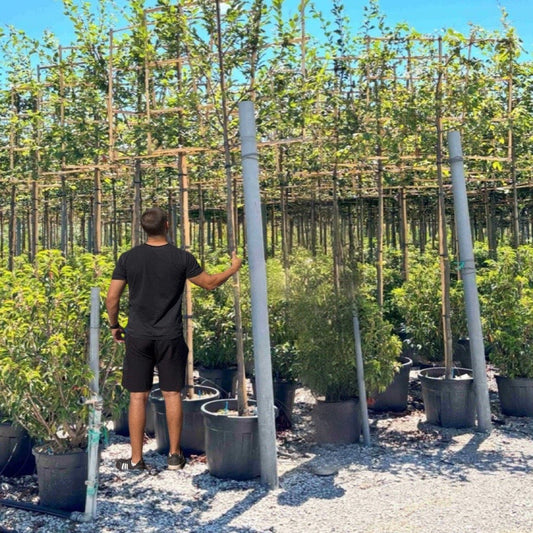
- Hornbeam (Carpinus betulus) – A UK native and one of the most popular choices. Hardy, fast-growing, and excellent for privacy screens. Plant in April–May for best results.
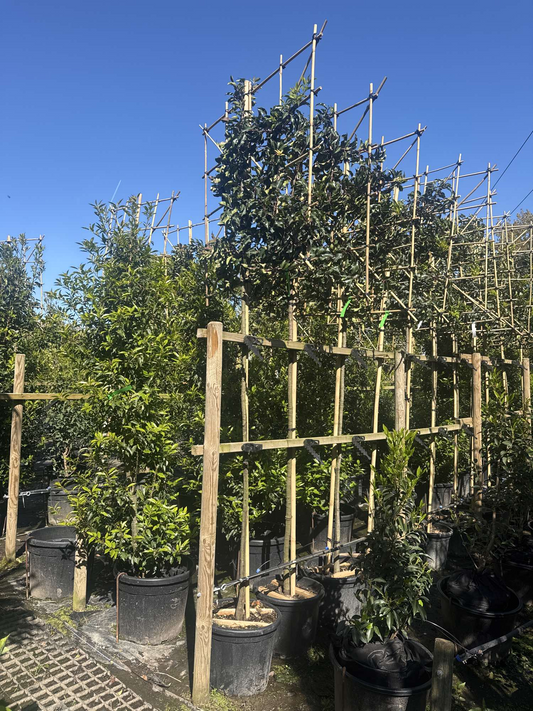
- Portuguese Laurel (Prunus lusitanica) – Evergreen and elegant, ideal for year-round privacy. Tolerates most UK soils and thrives when planted in spring.
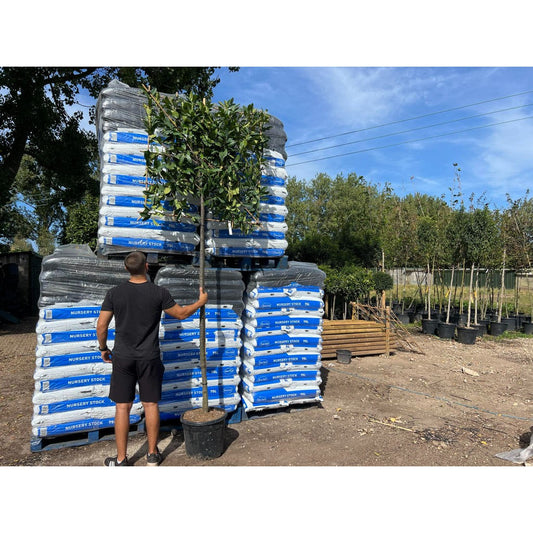
- Novita Laurel – A compact, dense variety perfect for smaller gardens. Spring planting allows it to establish before summer growth spurts.
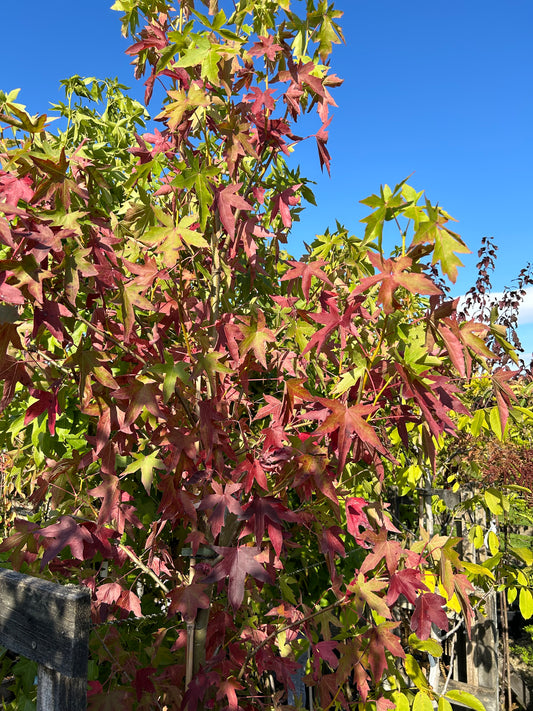
- Sweetgum (Liquidambar styraciflua) – Stunning autumn colour. Plant in spring to give roots time to establish before the drier summer months.
- Red Robin (Photinia × fraseri) – Vibrant red new growth in spring. Plant now to enjoy the full display this season.
Step-by-Step Spring Planting Guide
- Choose your location – Pleached trees need at least 4–6 hours of sunlight per day. Avoid frost pockets and waterlogged areas.
- Prepare the soil – Dig a hole twice the width of the root ball and the same depth. Incorporate well-rotted compost to improve drainage and fertility.
- Spacing – For a continuous screen, space pleached trees 1.5–2.5 metres apart, depending on the variety. Hornbeam and Laurel can be planted closer; Sweetgum benefits from wider spacing.
- Planting – Place the tree in the hole so the root collar sits at soil level. Backfill, firm gently, and water thoroughly.
- Staking – Use a low stake to support the trunk without restricting movement. Remove after 12–18 months once the tree is established.
- Mulching – Apply a 5–7cm layer of bark mulch around the base, keeping it clear of the trunk. This retains moisture and suppresses weeds through summer.
Watering in the First Season
Newly planted pleached trees need consistent watering throughout their first growing season. In dry spells (less than 25mm of rain per week), water deeply 2–3 times per week. A slow-release watering bag or drip irrigation system is ideal for maintaining consistent moisture without waterlogging.
Spring Feeding
Apply a balanced slow-release fertiliser (such as Growmore or a specialist tree feed) in April or May to support vigorous spring growth. Avoid high-nitrogen feeds in late summer, as this can encourage soft growth vulnerable to autumn frosts.
Training and Tying In
Spring is also the perfect time to tie in new growth to your support framework. Use soft tree ties or horticultural twine and check regularly to avoid constriction as stems thicken. Remove any crossing or inward-growing shoots to maintain the flat, layered form that defines a pleached tree.
Common Spring Planting Mistakes to Avoid
- Planting too deep – the root collar should always be at or just above soil level
- Skipping mulch – this is one of the most effective ways to retain moisture and reduce watering needs
- Forgetting to water during dry spells – even in spring, newly planted trees can suffer in dry conditions
- Over-tying – ties that are too tight will damage bark as the tree grows
Ready to Get Started?
Browse our full range of pleached trees below and find the perfect match for your garden this spring: